How to Remove Dog Hair from Car Seats in Menifee, CA
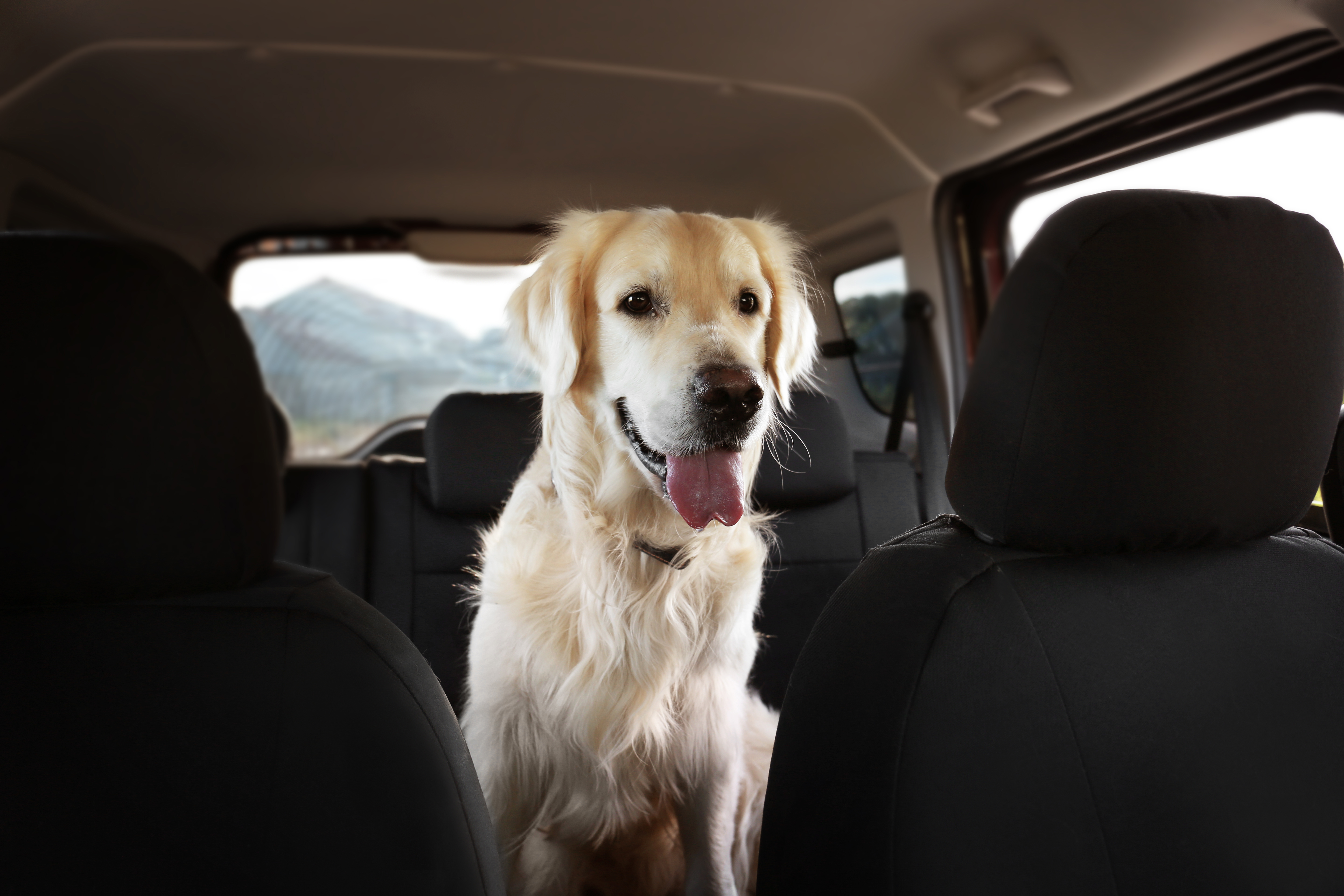
If you're driving around Menifee with a dog, chances are your back seat tells the whole story. Between trail runs at Audie Murphy Ranch, weekend trips out to the San Jacinto River bottom, and the everyday errands that always seem to involve the dog, pet hair finds its way into every fiber, seam, and crevice of your interior. And in the Inland Empire heat, that hair doesn't just sit there — it gets baked in, worked deeper into the fabric, and starts carrying that distinct warm-dog smell that no air freshener can fix.
The good news is there are methods that actually work. The honest news is that how well they work depends on how embedded the hair is and what your seats are made of.
Why Dog Hair Is So Hard to Remove from Car Interiors
Dog hair isn't just sitting on top of your upholstery. The individual strands have microscopic barbs that anchor into fabric fibers. Every time your dog shifts, shakes, or jumps in and out of the vehicle, those hairs get driven deeper. Add in static electricity — which builds up significantly in the dry Inland Empire air — and the hair bonds to surfaces even more aggressively.
Fabric seats are the hardest hit, but dog hair also works its way into carpet, floor mats, and the gaps around seat bolsters and buckles. In vehicles with textured plastic trim, hair can weave in and become nearly invisible until you run your hand across it.
What Actually Works: The DIY Methods
For mild to moderate pet hair buildup, these methods produce real results without any special equipment.
Rubber Gloves and Water
Put on a pair of standard rubber dish gloves, lightly dampen them, and run your hands firmly across the seat surface in one direction. The rubber creates friction and static that pulls hair up into clumps you can grab and discard. This works surprisingly well on fabric seats and is a solid first pass before vacuuming.
Pumice Stone or Pet Hair Removal Stone
A pet hair pumice stone, sometimes sold as a fabric shaver, drags along the seat surface and collects hair into rolls. Use short, firm strokes in one direction. This works well on woven fabric but should not be used on leather, suede, or any treated upholstery — it will cause surface damage.
Balloon or Latex Glove Static Method
Inflating a latex balloon and rubbing it over the seat generates a static charge that lifts surface-level hair quickly. It sounds low-tech because it is, but it works for light buildup before a vacuum pass.
Fabric Softener Spray
Mix a small amount of liquid fabric softener with water in a spray bottle and lightly mist the seat. Let it sit for one minute, then wipe with a microfiber cloth. The softener relaxes the fiber tension that holds hair in place. Follow with a vacuum. This is one of the more effective home methods for fabric interiors.
Vacuum with the Right Attachment
A standard vacuum without the right head will push as much hair as it picks up. Use a rubber-bristle pet attachment, or wrap a rubber band around a plain nozzle to add friction. Vacuum in multiple directions and go slowly over heavily impacted areas.
Where DIY Stops Working
Here's where it gets real. The methods above are effective for surface-level and light-to-moderate buildup. But if your dog rides regularly and you haven't done a thorough clean in months, you're dealing with a different problem.
Deeply embedded hair in fabric seats requires agitation with a drill brush or stiff detailing brush combined with a wet vac or extractor. Without an extractor, you're loosening the hair without actually removing it from the seat material.
Odor is a separate problem entirely. Dog hair carries dander, oils, and moisture. Once that has been sitting in an Inland Empire vehicle through weeks of 100-degree heat, it has likely bonded to the fabric at a deeper level than any surface cleaning can reach. You need an enzymatic treatment or an ozone pass to neutralize it, not just mask it.
Leather and synthetic leather seats require a completely different approach. The wrong tool or too much pressure causes surface cracking, dye transfer, or permanent texture damage. If your vehicle has leather and it's carrying significant pet hair and odor, this is not a situation where aggressive DIY is appropriate.
Cargo areas and carpet in SUVs and trucks present a whole separate layer of the problem. Dog hair in carpet pile can take multiple extraction passes with professional equipment to fully clear.
If you're in Menifee, Murrieta, or anywhere in the broader Inland Empire and your interior has gone past the point where a rubber glove and a vacuum are cutting it, a professional interior detailing service is the more practical path.
What a Professional Interior Detail Actually Does
A professional interior detail is not an upgraded car wash. It's a systematic process that addresses the problem your rubber glove cannot.
At Wax on Warriors, an interior detail for a pet-hair-impacted vehicle includes:
Full dry extraction and agitation with professional-grade brushes to lift embedded hair from all fabric surfaces
Wet extraction with a high-powered extractor that pulls hair, dander, and moisture out of the seat material, not just off the surface
Enzymatic treatment for odor at the fiber level
Full carpet and floor mat extraction
Leather conditioning where applicable to restore any surfaces affected by abrasion or cleaning
A final wipe-down of all hard surfaces, trim, and panels
The mobile unit comes fully equipped to your driveway in Menifee, Murrieta, Lake Elsinore, Riverside, Fallbrook, or Escondido, no shop drop-off required.
Keeping It Under Control Between Details
Once your interior is clean, a few habits will keep it from getting back to square one quickly.
A waterproof seat cover designed for pet use is the most effective barrier. Not glamorous, but it works. Look for options with non-slip backing that stay in place on the Inland Empire's hot seats in summer.
A quick weekly rubber glove pass takes two minutes and prevents buildup from embedding deeply between details.
Brushing your dog before rides removes the loose undercoat that does the most damage to upholstery. It takes thirty seconds and makes a meaningful difference over time.
For dog owners who want their interior to stay in good shape long-term, Wax on Warriors offers a maintenance detailing club that keeps your vehicle looking clean on a regular schedule, so pet hair never gets a chance to reach the deep-embedded stage.
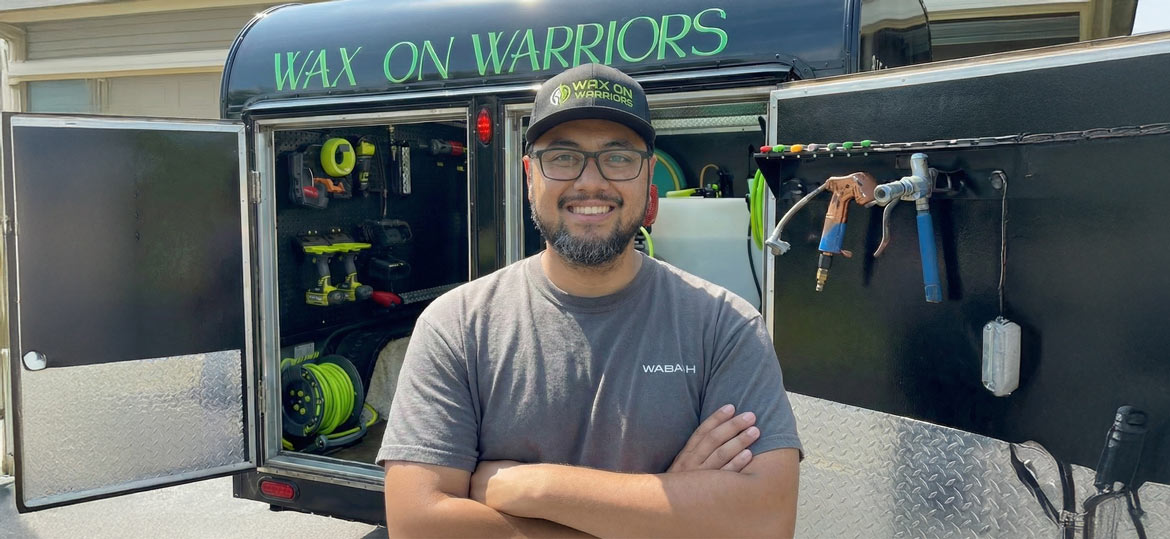
Wax on Warriors is a fully mobile detailing service based in Menifee, CA. Founded by custom truck builder John Mapu, every service is backed by the Warrior Guarantee, zero hidden fees, and a professional standard that goes well beyond what a standard car wash can offer. Book at waxonwarriors.com/booking or call (833) 421-0018.
If Wax on Warriors has taken care of your interior, we'd love a Google review. It helps other Menifee pet owners find us when they need it most.
Frequently Asked Questions
Does dog hair permanently damage car seats?
Not immediately, but over time it can. In vehicles exposed to the Inland Empire heat, hair and dander work deeper into fabric fibers with every warm cycle. Combined with moisture and pet oils, long-term buildup can degrade fabric, cause odor that bonds at the fiber level, and contribute to premature upholstery wear. Regular cleaning prevents permanent damage.
What removes dog hair from car seats fastest?
A rubber glove lightly dampened and wiped firmly across the surface in one direction is the fastest single method for surface hair. For deeper buildup, a fabric softener spray followed by a rubber brush and vacuum produces better results. For heavily impacted interiors, professional wet extraction is the most thorough and fastest complete solution.
Can I use a lint roller on car seats?
Lint rollers work for very light surface hair but are not practical for moderate or heavy buildup. They run out quickly and don't provide the friction needed to pull embedded hair from fabric fibers. They work better as a quick touchup than a real cleaning tool.
Is it safe to use a pumice stone on car seats?
Only on woven fabric upholstery. A pet hair pumice stone should never be used on leather, vinyl, suede, or any treated material. It will cause surface scuffing, dye removal, or texture damage. If you're unsure of your seat material, skip this method.
How often should dog owners detail their car interior?
For dogs that ride frequently, a professional interior detail every 3 to 4 months prevents buildup from reaching the deeply embedded stage. Monthly or bi-monthly rubber glove and vacuum maintenance between professional services keeps the interior manageable and odor-free.